Selling for the first time in Ireland can feel like a blur: valuation, choosing an agent, BER, viewings, sale agreed, conveyancing, and closing. This guide breaks the process into simple steps so you do not miss what matters and do not leave money on the table.
Quick advice up front: your biggest lever is choosing the right estate agent. The second is pricing strategy. Most of the rest is execution.
Step 1: Decide your selling goal first
Before you do anything, decide what matters most to you:
- maximum price,
- fast sale,
- certainty and clean progress.
This goal should shape your agent choice, asking price, and negotiation style.
Step 2: Get pricing strategy right
Pricing is strategy, not guesswork.
Common approaches:
- Market-price: list near similar achieved sales.
- Price-to-win: set an attractive asking price to increase attention and competition.
- Test-the-market: start high and see what happens, with higher stale-listing risk.
In many Irish markets, price-to-win often performs best when demand is healthy because buyer urgency is strongest early.
For sold-price context, use: How to Search the Irish Property Price Register Like a Pro.
Step 3: Choose the right estate agent
Do not choose on brand familiarity alone. Choose based on evidence of execution.
A strong agent can clearly show:
- sale agreed performance in your local area,
- bid handling and negotiation process,
- a clear launch plan for your exact property type,
- consistent communication rhythm, ideally weekly.
Useful questions to ask each agent:
- What asking price do you recommend, and why?
- What is your plan for the first 10 days?
- Where will you advertise, including portals and database outreach?
- Who handles viewings directly?
- How do you qualify buyers and reduce timewasting?
- What is your total fee including VAT and possible extras?
- How often will I get updates?
Red flag: they cannot explain their process clearly in one minute.
Related fee guide: Estate Agent Fees in Ireland: 2026 Cost Breakdown.
Step 4: Paperwork and prep, start early
What you will usually need on seller side:
- ID and proof of address for solicitor checks,
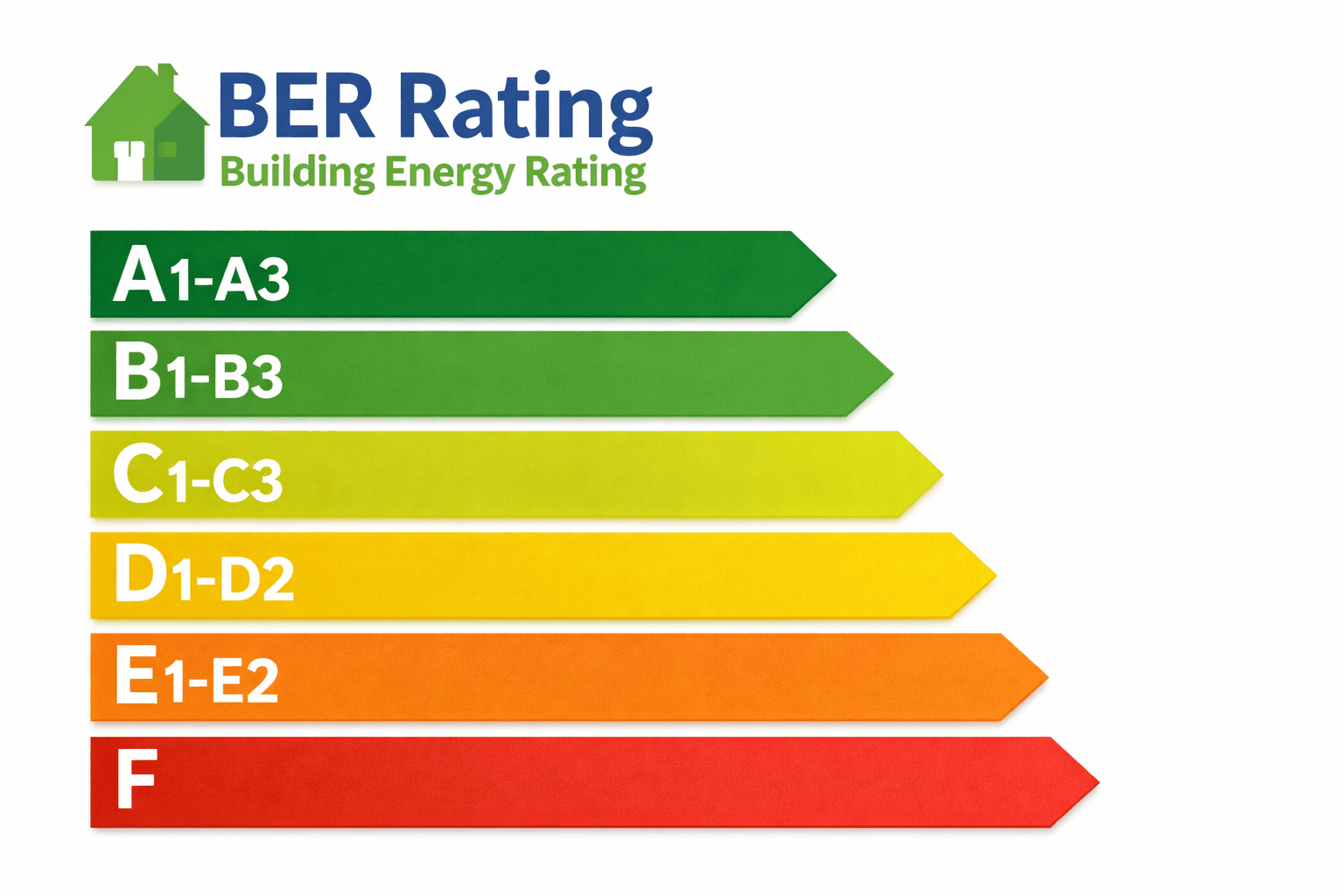
- BER certificate or assessor booking,
- title information or deeds,
- planning and compliance documents for alterations where relevant,
- management company information for apartments.
Getting these ready early can save weeks later, especially for apartments and planning queries.
BER context: The BER Factor.
Quick BER question while you prep? Read Is C1 a Good BER Rating in Ireland?.
Step 5: Appoint your solicitor early
Conveyancing starts sooner than many first-time sellers expect. Delays often come from missing title details, planning compliance issues, or apartment management paperwork.
Best move: instruct your solicitor as soon as you are committed to selling, not after viewings begin.
Read next: Why You Need a Solicitor Before You Find a Buyer and What is Conveyancing in Ireland?.
Step 6: Prepare home presentation for photos and viewings
You do not need a full renovation. You need clarity, light, and space.
High-impact improvements:
- deep clean and declutter,
- fix obvious minor defects,
- brighten dark rooms,
- tidy entrance and garden.
Photos strongly influence whether buyers book viewings.
Step 7: Launch matters most in first 10 days
Your first week and a half is often your best chance for attention, competitive bidding, and strong offers. This is why pricing, presentation, and agent execution matter so much at launch.
Step 8: Manage viewings, offers, and bidding well
A strong process includes feedback after each viewing, a live list of serious buyers, and disciplined negotiation.
Do not evaluate offers on price alone. Also assess:
- buyer mortgage status and proof of funds,
- chain dependency,
- deposit readiness,
- survey renegotiation risk.
A slightly lower offer from a cleaner buyer can beat a higher offer that collapses.
Step 9: Sale agreed is a milestone, not the finish line
After sale agreed, the legal and financial process continues through contracts, title checks, loan drawdown, survey follow-up, and closing.
To reduce fall-through risk:
- keep communication active,
- set timeline expectations clearly,
- avoid long silent gaps with no progress updates.
Step 10: Closing day, simple view
- buyer funds transfer through solicitors,
- your mortgage is redeemed from proceeds if applicable,
- keys are released after completion confirmation,
- buyer solicitor handles post-closing registration.
First-time seller costs in Ireland
Typical budget buckets include:
- estate agent fee, often percentage plus VAT,
- solicitor fees and outlays,
- BER assessment,
- optional spend such as minor repairs, storage, staging, or moving costs.
Common first-time seller mistakes
- choosing on brand familiarity instead of process quality,
- overpricing to leave room,
- starting BER and legal prep too late,
- underestimating presentation and photos,
- accepting a weak buyer because headline offer looks high,
- letting process drift after sale agreed.
FAQ
How long does it take to sell a house in Ireland?
A common range is 8 to 12 weeks from listing to closing, but timing varies by location, property type, and legal readiness.
When is the sale legally binding?
Generally when contracts are signed and exchanged, not at sale agreed.
Do I need to accept the highest bid?
No. You choose the buyer. Certainty and speed can be more valuable than headline price alone.